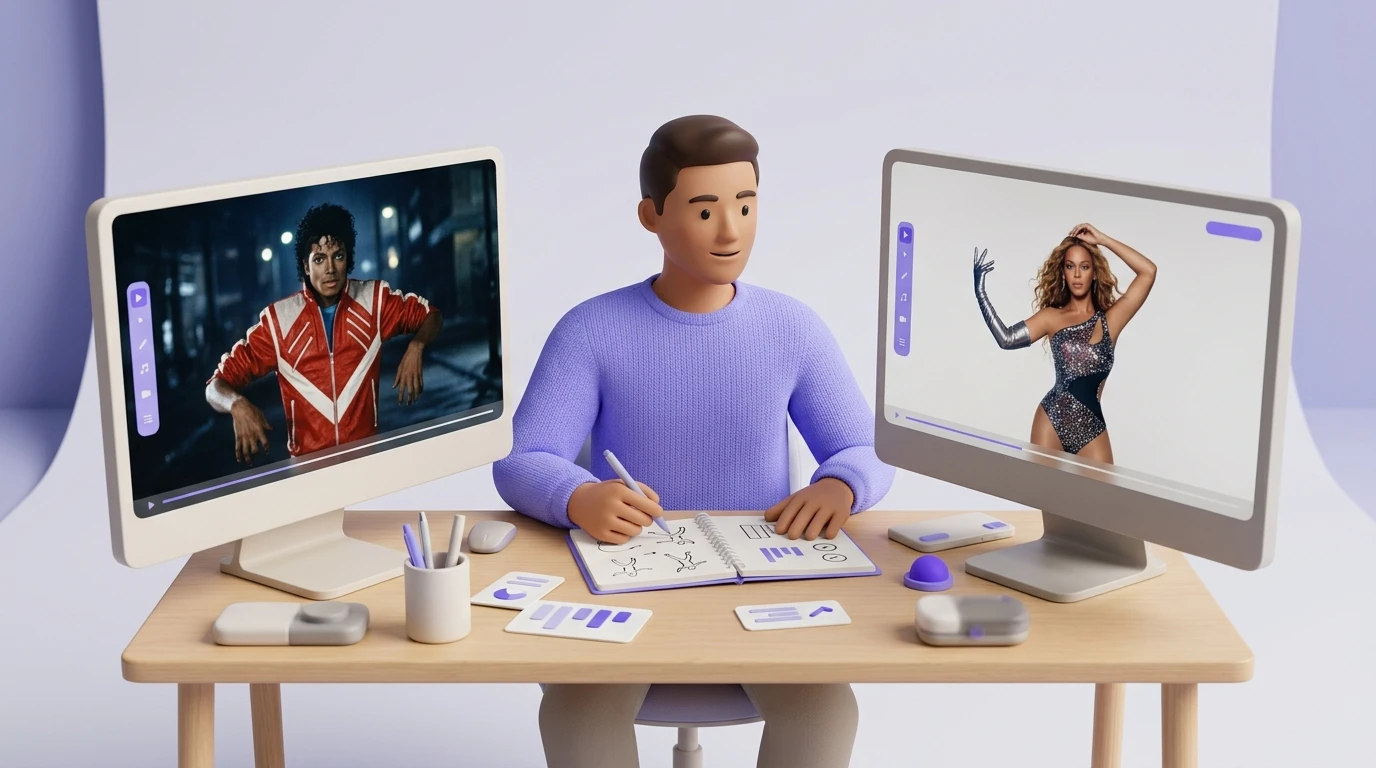
Michel Gondry music videos build elaborate illusions around simple visual rules. In Daft Punk’s “Around the World”, groups of dancers embody different musical parts. That connection between sound and movement offers a useful lesson: a strong full-song concept gives its central idea room to develop.
- Watch for the rule behind each illusion. Gondry often connects a repeated sound to a repeated movement or object.
- Separate the handmade appearance from the production method. Physical materials, animation and digital compositing can share the same frame.
- Test how your idea changes between verse and chorus before building an entire video around it.
- Keep a reference frame for recurring scenes so objects and lighting remain consistent as the illusion grows.
Which Michel Gondry Music Videos Should You Watch?
Start with videos that reveal different ways to organize a song visually. These are useful entry points because each has a clear device you can identify, follow and study.
| Artist and video | The central illusion | What to watch closely |
|---|---|---|
| Daft Punk, “Around the World” | Dancer groups represent musical parts | How repeated movements make the arrangement visible |
| The Chemical Brothers, “Star Guitar” | Passing scenery corresponds to sounds in the track | How recurring objects turn a train-window view into a musical pattern |
| The White Stripes, “Fell in Love with a Girl” | LEGO-brick animation reconstructs the performers | How coarse shapes preserve the energy of human movement |
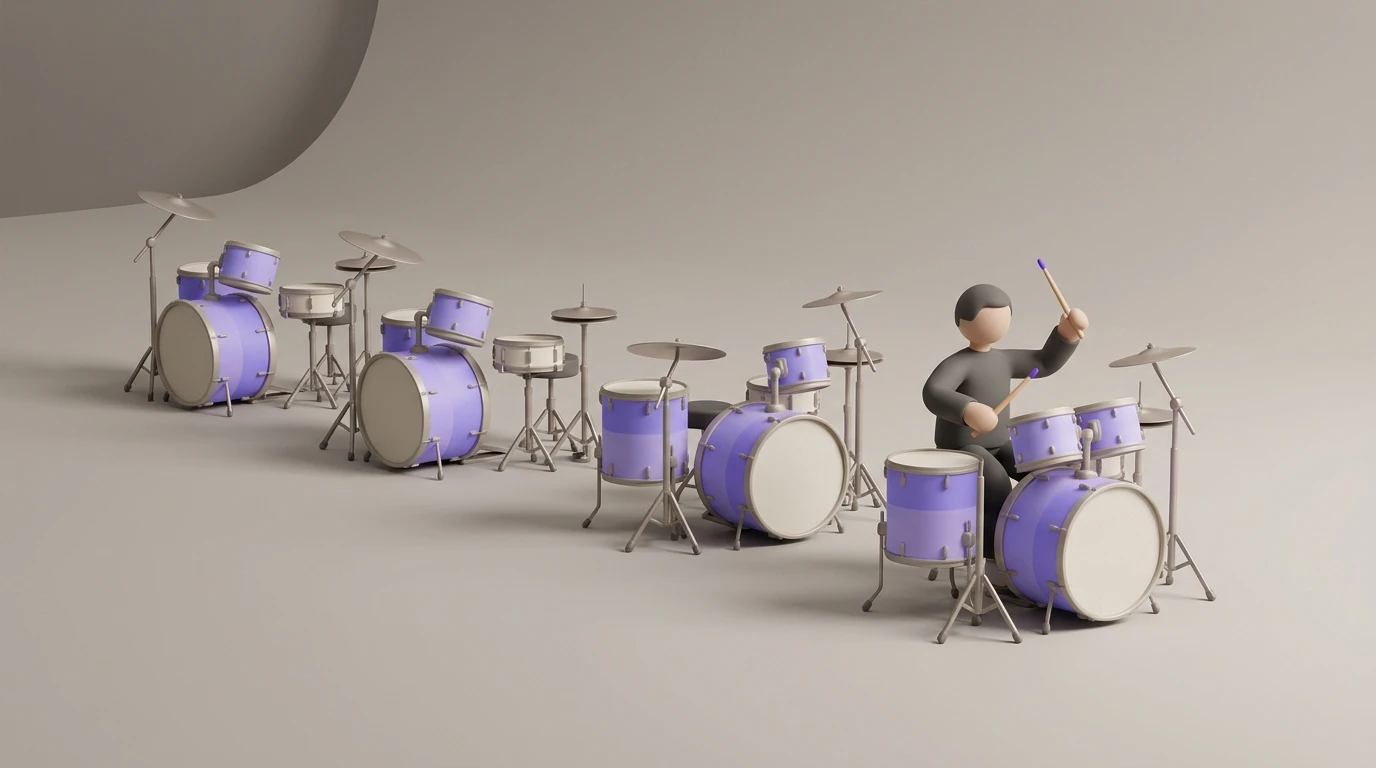
| The White Stripes, “The Hardest Button to Button” | Instruments accumulate as the performers advance | How repetition gives each new position a visible history |
| Kylie Minogue, “Come into My World” | Repeated street circuits produce additional Kylies and overlapping actions | How familiar background events become increasingly complicated |
| Cibo Matto, “Sugar Water” | A split screen coordinates forward and reverse action | How an event changes meaning when the timelines intersect |
| Björk, “Human Behaviour” | A forest becomes a tactile, oversized fairy tale | How scale and constructed creatures establish a convincing dream world |
For a first viewing, follow the song. On the next pass, follow one background element. Red Bull’s account of the repeating tracking shot in “Come into My World” highlights the sequential twists that make this second viewing especially rewarding.
Our broader study of what makes the greatest music videos last considers lasting visual ideas across directors. Gondry’s particular strength is making the viewer anticipate what a familiar pattern will do next.
How Do the Handmade Illusions Work?
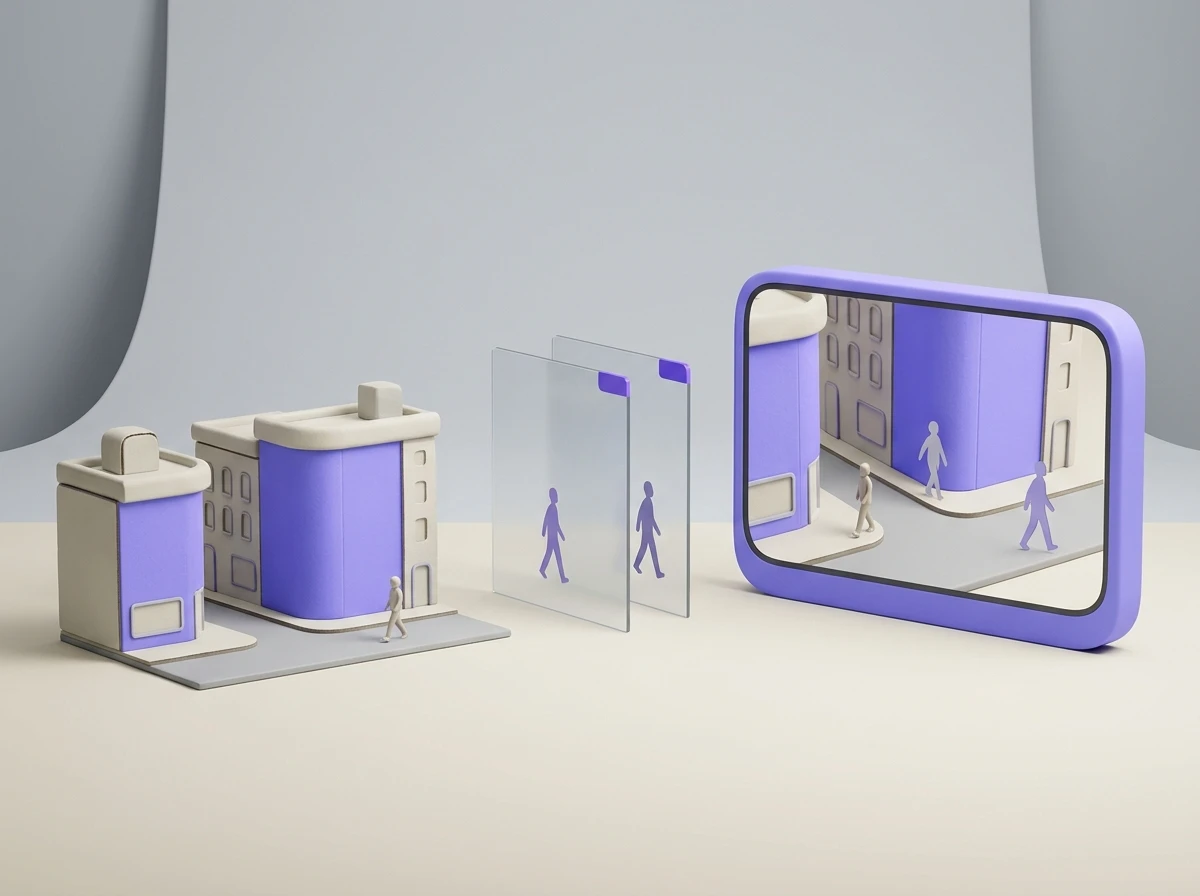
Gondry’s handmade aesthetic comes from recognizable materials and readable physical rules. The finished illusion may still depend on extensive digital work. A tactile image does not tell you how it was made.
Stop-motion creates movement by photographing objects in successive positions. Pixilation applies frame-by-frame animation to live performers. Music Musings & Such identifies pixilation and multiplied images in “The Hardest Button to Button”, where the accumulating drum kits and amplifiers make the musical repetition tangible.
“Come into My World” uses compositing, which combines separately recorded image elements, to make repeated appearances coexist within the same street scene. “Star Guitar” constructs a landscape whose recurring features correspond to the music. Both depend on precise planning beneath an apparently effortless surface.
Björk’s videos show the range within that approach. “Human Behaviour” uses storybook textures and exaggerated scale, while “Jóga” fractures Icelandic terrain through digital effects. The useful connection to practical effects in earlier music videos is the way a visible material or physical action gives an unfamiliar world something concrete to stand on.
The directing lesson is specific: teach the viewer a rule before complicating it. Once a repeated sound has a recognizable visual partner, changing its scale or behavior carries meaning.
Build a Full-Song Concept From One Rule
A repeatable visual rule can support an entire song when its development follows the arrangement. The work begins with listening closely enough to distinguish a returning musical idea from a genuinely new section.
Use this sequence before writing a detailed treatment:
- Lock the audio version. Build against the finished release track. A changed introduction or extended outro can undo carefully timed animation.
- Mark the recurring musical anchor. Choose a guitar phrase, vocal hook or another sound the listener can recognize. Note where it returns and where it disappears.
- Write one visible consequence. State exactly what happens when that sound returns. “Another paper moon appears on the wall” is usable direction. “The room becomes more surreal” leaves the action unresolved.
- Map the whole song. Decide how the rule behaves in the opening, develops through the verses and changes at the chorus. Give the ending a deliberate final state.
- Test the hardest transition. Make a rough sequence covering a section change before producing all the scenes. Check it in the intended master frame and the required social crop.
A clear treatment connects the creative rule to the edit. Our guide to music videography from treatment to final master covers that production path, including the decisions that need to survive into delivery.
Worked example: a room filling with paper moons
Say your finished single has restrained verses, a broad chorus and a quiet bridge. The concept is a bedroom wall that gains another moon-shaped paper cutout whenever the guitar motif returns.
The opening establishes an almost empty wall. During the verses, each return adds a cutout in a fixed position. The chorus reveals more of the wall, making the accumulation visible without introducing a different visual world.
At the bridge, the additions stop and the lighting falls. The existing shapes remain. When the motif returns, the next moon appears, and the final wide shot holds the completed arrangement through the song’s last decay.
This concept can work through photographed substitutions or layered image elements. Its production risk is continuity: a moon that shifts between appearances weakens the feeling that the room has been steadily accumulating a history.
Use this brief to develop your own version:
Track and locked audio version:
Recurring musical anchor:
Visible action triggered by that anchor:

Visual world:
Elements that must remain consistent:

Opening state:
Verse development:
Chorus change:
Bridge or breakdown:
Final image and ending duration:

Hardest transition to test:
Required master frame:
Required social crop:
Details that must survive both frames:
Fallback if the test fails:
Keep the Illusion Intact Through the Final Edit
A repeating visual device creates a continuity contract with the viewer. If an object remains after appearing, it needs to stay in the same place unless movement is part of the rule.
For the paper-moon concept, save a reference frame showing each cutout’s position. Preserve the camera framing and exposure between substitutions. If you generate or composite individual elements, compare them against that reference before approving the sequence.
Test the densest section first. I would check the crowded final wall and its transition into the ending before spending time refining the opening. That exposes overlapping shapes and unreadable details while the concept is still easy to change.
A close release date also changes the right creative choice. A locked viewpoint with controlled substitutions is easier to plan than a moving camera passing through overlapping performers. Repeated choreography can require substantial rehearsal, so a simple-looking reference should never be treated as a budget estimate.
Social adaptation needs the same care. If the added moons sit at the outer edges of a wide master, a vertical crop may erase the entire progression. Keep the essential action within a tested crop area, or plan a separate framing that preserves the rule.
Frequently Asked Questions
Which Radiohead music video did Michel Gondry direct?
Michel Gondry directed “Knives Out.” Its surreal hospital-room imagery makes it a useful reference for studying dream logic within a confined setting.
Did Michel Gondry make music videos for his own band?
Yes. Gondry played drums in the French band Oui Oui and directed videos for the group, developing visual experiments before his better-known collaborations with other artists.
Where can I watch Michel Gondry’s music videos?
Start with the artists’ official video channels, including Daft Punk and The White Stripes. Check the director credit when comparing uploads so a fan edit or alternate version does not become your production reference.
The paper-moon concept needs a convincing transition test before it needs more scenes. Apply that same discipline to your own musical anchor. For a full-song master and social-ratio adaptation guided by one creative director, get in touch with SongTrailer about human-directed, AI-assisted production.