The 80s music videos whose practical effects still hold up give physical objects a clear musical role. Peter Gabriel’s “Sledgehammer” video turns stop-motion into rhythm. Herbie Hancock’s “Rockit” gives mechanical sculptures a stage. Borrow that connection between movement and music, then develop it across the full song.
- Choose an effect with a musical job. A moving prop should express the groove or change with the arrangement.
- Keep physical effects separate from animation and compositing when building your references. Each needs a different production plan.
- Test the hardest movement before committing to a full-song concept. Check whether its framing also works in a vertical crop.
- Give a repeated effect somewhere to go. Introduce its rule, expand it at the chorus, and save a meaningful change for later.
What counts as a practical effect?
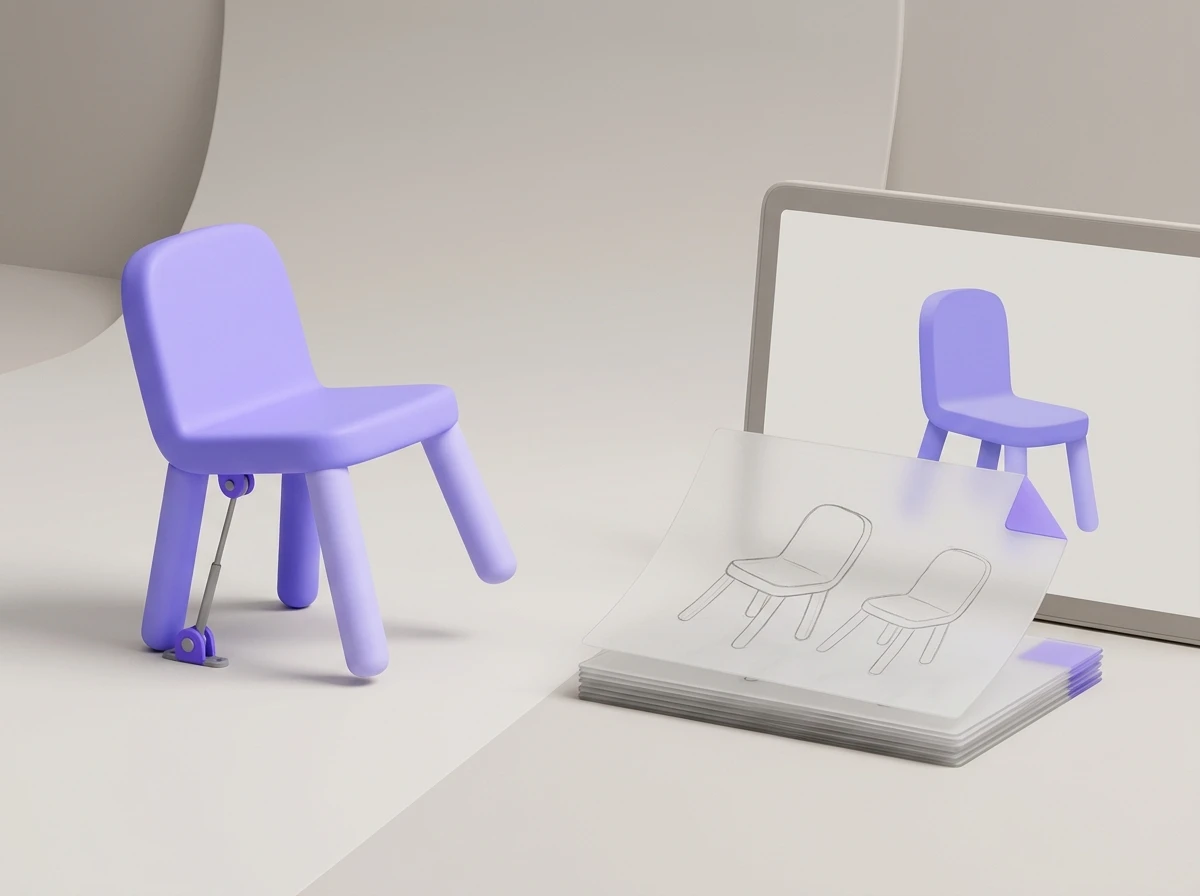
A practical effect is created physically for the camera, using an object or mechanism. A chair that moves on a rig qualifies. Stop-motion also works with physical subjects, but the movement is built between individual exposures rather than performed continuously.
Postproduction can sit around that physical work. Compositing combines separate images, and cleanup can remove visible supports. A finished shot may contain both practical and digital elements.
That distinction matters with a-ha’s “Take On Me” video, which moves between live action and drawn animation. Its signature technique, rotoscoping, uses live-action movement as the basis for drawings. It belongs on an eighties reference board, but recreating its pencil world requires a different workflow from animating a real prop.
Label your references accurately. “Practical object animation” gives a producer something concrete to plan, while “make it look eighties” leaves the method unresolved.
80s music videos to study for physical effects
The most useful references show what an effect contributes to the song. Watch the relationship between the performer and the surrounding objects, then notice when that relationship changes.
| Video | What to watch | What still works |
|---|---|---|
| Peter Gabriel, “Sledgehammer” | Objects and materials animate around Gabriel’s face and body. | A recognizable performer anchors an image that keeps transforming. |
| Herbie Hancock, “Rockit” | Articulated sculptures make abrupt, repeated movements in an uncanny domestic setting. | The figures act like visual percussion, giving the instrumental track a physical identity. |
| George Harrison, “Got My Mind Set On You,” the room version | Moving furniture and animated objects turn a seated performance into an increasingly active room. | A contained location develops its own behavior, so the video can grow without constantly changing worlds. |
Watch each video once for pleasure, then again for cause and effect. Identify the musical event that makes a movement feel right. A drum accent might justify a sharp gesture, while a sustained vocal phrase might support a slower transformation.
Finished footage does not reveal every rig or composite. These references demonstrate visible design and timing, rather than proving that every element was captured in camera.
For a wider reference set, our guide to the greatest music videos of all time considers other approaches to lasting visual ideas. Keep this effects shortlist focused on a narrower question: what does the physical movement do for the track?
Why do these effects still work?
Practical effects endure when their physical behavior supports a clear idea. Texture helps. So does the slight friction of a real object moving through a real space, especially when the lighting makes its weight believable.
The movement belongs to the music
“Rockit” gives its sculptural figures distinct gestures. Their abrupt motion suits the track’s rhythmic character, so the objects feel like participants in the performance.
That is a useful test for a new concept. Describe what the effect expresses before describing how impressive it looks. A shuddering lamp could carry nervous energy through a verse, then become steady when the chorus opens up.
A stable world makes change readable
“Sledgehammer” can transform materials around Gabriel because his face provides a strong point of recognition. Harrison’s room supplies a different anchor: the environment stays familiar while its contents become less predictable.
For a new release, lock the visual rules before expanding the imagery. Keep the room’s layout consistent and decide which objects are allowed to move. If everything changes at once, viewers lose the reference point that makes the effect surprising.
Repetition needs development
A repeated movement becomes useful when the audience can recognize it and anticipate its return. Its later appearances should respond to the arrangement, perhaps through a change in scale or a pause.
Performance can also carry that repetition without elaborate props. Our look at Janet Jackson’s music video eras and innovations offers a performance-led reference when choreography suits the track better than an effects-heavy room.
Build a full-song concept from one physical effect
A full-song treatment needs a visual rule that can develop without becoming arbitrary. We recommend starting with the simplest version you can test, particularly when the release date is close or a traditional shoot would stretch the budget.
- Map the finished track. Mark the sections where the arrangement changes. Decide where the visual idea first appears and where it reaches its strongest form.
- Choose one repeatable physical rule. Write a plain sentence describing what moves and what triggers it. Resolve that behavior before adding more locations or visual styles.
- Test the hardest shot. Use a rough setup to check movement and lighting. Review the shot against the actual music, including whether the effect remains readable in a vertical crop.
- Build the shot plan around progression. Assign each section a variation of the rule. Specify what must stay consistent and what the edit needs to connect the shots.
Our music videography guide from treatment to final master covers the broader production handoff. For an effects-led brief, the crucial addition is a clear description of how the effect changes across the song.
Worked example: a room that wakes with the chorus
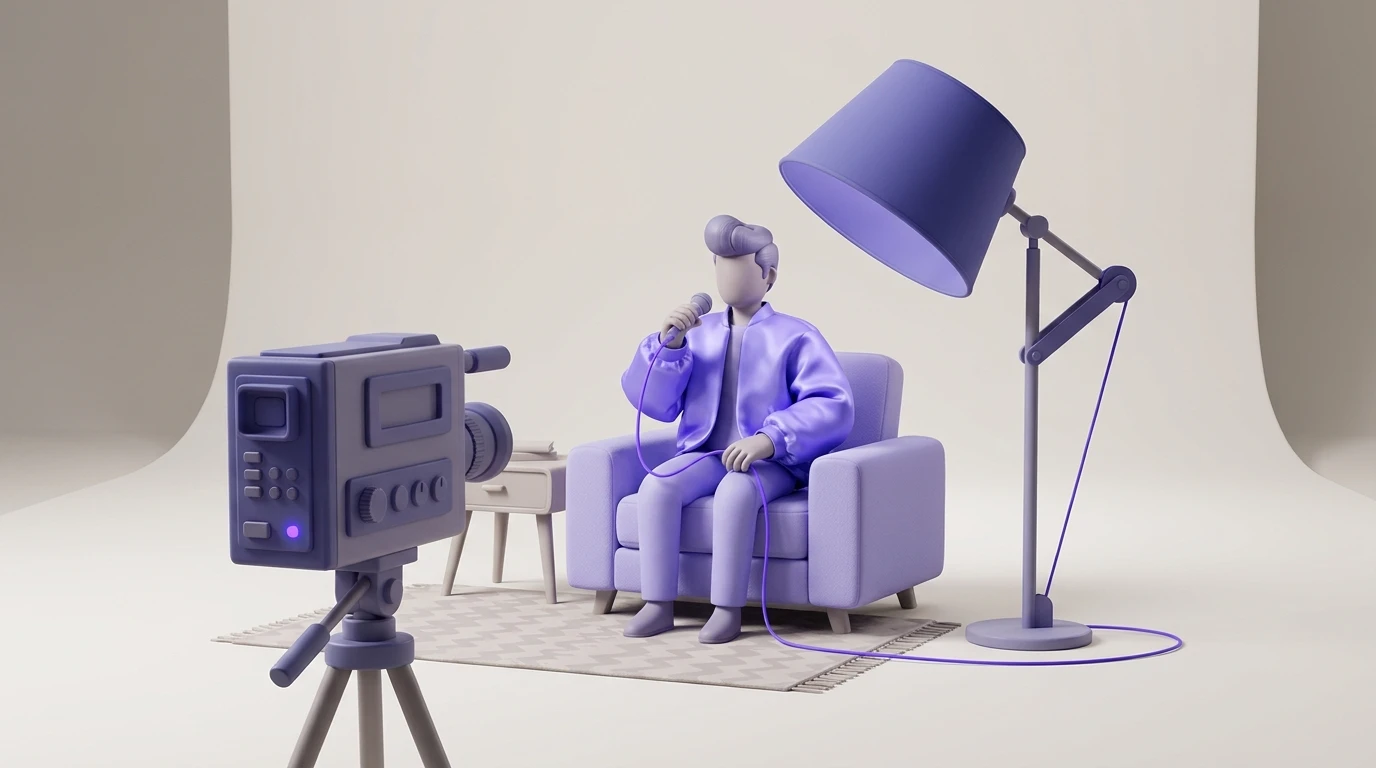
For a finished synth-pop single, imagine an artist performing in a still room. During the opening verse, a lampshade makes a small movement on a recurring percussion accent. The first chorus expands that same motion to a curtain.
The bridge removes the movement. At the final chorus, the established objects return together, with a wider frame revealing their relationship to the artist.
The room stays recognizable throughout. Its furniture placement and light direction remain fixed, which gives the editor a dependable world to return to between closer performance shots.
This concept still needs a production test. A curtain may move beautifully but obscure the artist, while a lampshade’s motion may disappear in a tight social crop. Finding either problem before the full shoot protects both the schedule and the edit.
Copyable effects treatment
Fill this in before commissioning the effect or generating supporting visuals. A director should be able to understand the behavior without decoding a folder of unrelated references.
Track and version:
Emotional idea:
Reference video and specific effect:
What physically moves:
What musical event triggers the movement:
What stays consistent throughout:
Opening and verse behavior:
First chorus development:
Bridge change:
Final chorus development:
Hardest shot to test:
Landscape and vertical framing requirements:
Elements requiring animation, compositing, or cleanup:
A short test loop proves that a movement works. The treatment must also explain how the video holds attention across the finished track, including the quieter passages between its strongest images.
Frequently Asked Questions
What is the most iconic 80s music video?
There is no universally agreed winner. Michael Jackson’s “Thriller” is a leading reference for cinematic storytelling, while a-ha’s “Take On Me” and Peter Gabriel’s “Sledgehammer” are essential references for distinctive visual techniques.
Where can I watch original 80s music videos?
Start with official artist or label channels, including the linked videos above. Check the version before using it as a reference, since alternate edits can contain different scenes, and a remaster may present the image differently from an older upload.
Can I use clips from these videos in my own release?
Do not assume an official upload gives you permission to reuse its footage. Clear the necessary rights before including existing clips, or use the reference to develop original imagery with its own setting and visual identity.
A room that wakes with the chorus becomes a usable concept once its movement and framing are settled. For an AI-assisted interpretation, SongTrailer puts one creative director in charge of the concept through the human edit, delivering a full-song master and social-ratio adaptation. Bring that effects treatment when you get in touch about your full-song video, so the visual rule stays clear from brief to delivery.